
Journal

How Material Texture Shapes the Atmosphere of a Space
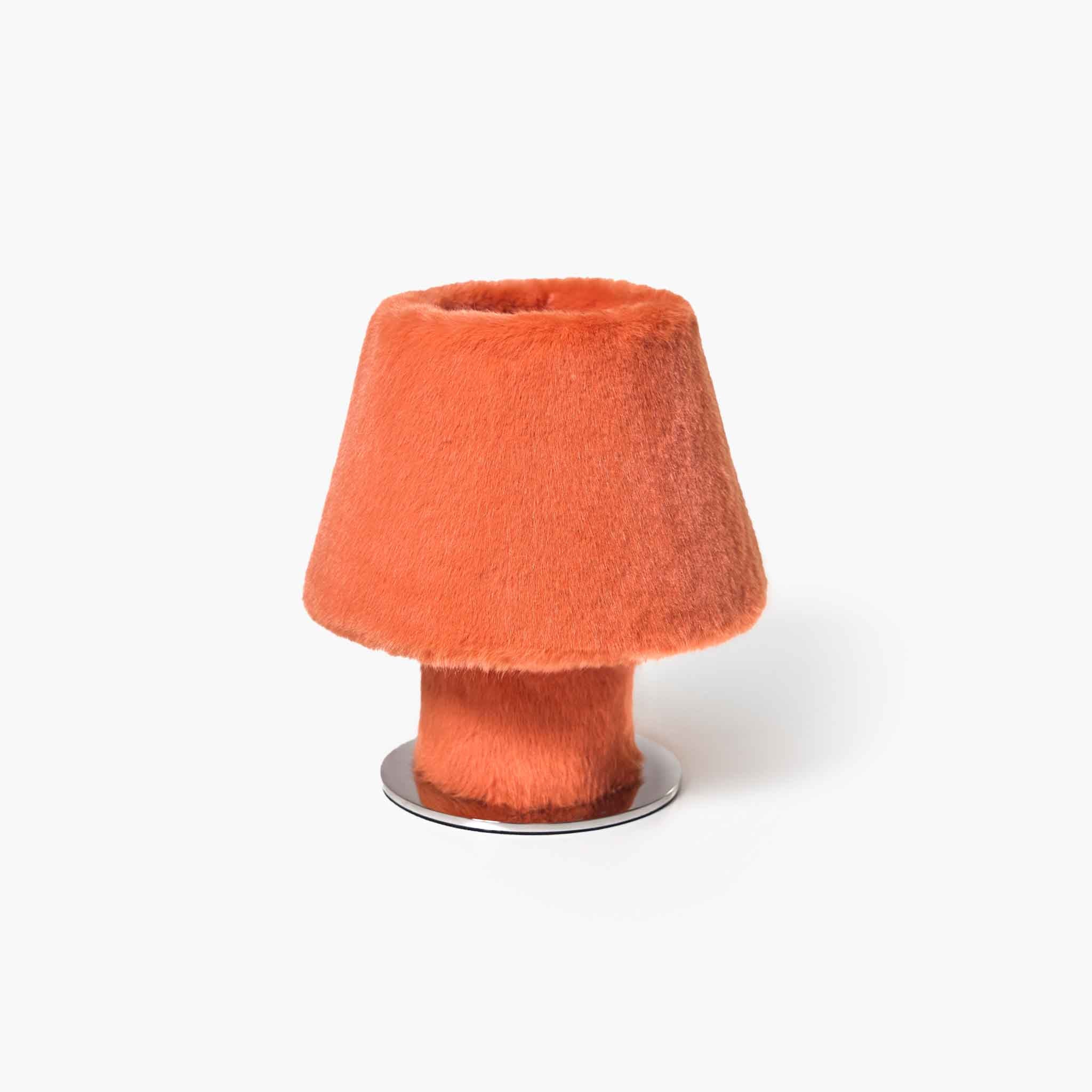
A beautiful home is not created by color and shape alone. Texture also plays an essential role in how a room feels. A smooth metal surface can make a space feel refined and architectural. A soft fabric can make a room feel warmer and more relaxed. Natural wood can bring a sense of calm, while paper, stone, leather, or plush materials can each add a different kind of character. This is why material texture matters in contemporary interiors. It affects not only what we see, but also what we feel when we enter a room. Texture Changes How a Room Feels Texture is often more subtle than color, but its effect can be deeper. A room filled with only flat, smooth surfaces may look clean, but it can also feel cold. When different textures are added, the space becomes more layered and more human. A boucle chair, a brushed metal lamp, a paper shade, or a soft rug can all make a room feel less empty and more lived-in. For designer furniture and designer lighting, texture is not just decoration. It helps express the character of the piece and the mood of the home. artamore’s View on Material and Atmosphere At artamore, we see material as part of a product’s story. A designer piece should not only look beautiful in a photograph. It should also feel right in real life. The surface, weight, softness, reflection, and touch of a material all influence how people experience the object over time. This is why artamore pays attention to material and craft when selecting furniture, lighting, and home objects. We look for pieces that can bring lasting atmosphere into everyday living, not just short-term visual impact. A home becomes more personal when materials are chosen with care. Texture is one of the quietest ways to make a space feel alive. Different Materials Create Different Moods Every material has its own emotional language. Wood often feels natural and steady. Metal feels precise, modern, and elegant. Fabric brings softness and comfort. Paper creates lightness and a gentle diffusion of light. Plush textures feel playful, warm, and close to the body. This is why choosing materials should start with the feeling you want to create. If you want a calm living room, natural wood and soft textiles may work well. If you want a more sculptural or refined atmosphere, metal, stone, or statement lighting may be more suitable. If you want a softer corner for reading or resting, warm lighting and tactile materials can make the space feel more personal. How to Use Texture at Home The easiest way to use texture is through contrast. A soft chair beside a clean-lined table. A warm lamp near a plain wall. A paper or fabric shade placed against metal, stone, or wood. These small contrasts help a room feel more balanced. It is also important not to use too many strong textures at once. A home should feel layered, not crowded. Choose one or two materials as the main tone, then add smaller details through lighting, cushions, decorative objects, or side furniture. For contemporary home decor, texture should support daily living. It should make the room feel warmer, quieter, more expressive, or easier to stay in.
Learn more